
You eat reasonably well. You go outside sometimes. You don’t feel terrible, exactly. But there’s a real chance your Vitamin D levels are lower than they should be, and have been for a while without you knowing it.
Vitamin D deficiency is sometimes called a silent shortfall because it doesn’t come with obvious warning signs. The symptoms tend to feel like normal life — tiredness, a low mood, some achiness. Easy to blame on a busy schedule or not enough sleep.
What makes it worth paying attention to is just how common it is. An estimated one billion people worldwide have low or insufficient Vitamin D levels. That includes people who live in sunny countries, people who eat well, and people who have no idea anything is off. This post breaks down why it happens so often and what actually helps.
What Vitamin D Does in Your Body
Vitamin D is often talked about in connection with bones and calcium, and that part is accurate. But it does quite a bit more than that.
Once your body activates Vitamin D, it helps regulate immune function, supports muscle health, plays a role in mood, and helps your gut absorb calcium properly. Your immune cells, muscle tissue, and brain all have Vitamin D receptors, which means when levels are consistently low, more than just your bones notice.
The commonly referenced target for blood levels is at least 20 ng/mL, though many health organizations suggest that levels between 30 and 50 ng/mL support better overall function. A large portion of the global population falls below the lower threshold, often without any obvious reason why.
Why So Many People Are Low

This is where most people are surprised. You might assume Vitamin D deficiency is mainly a problem in cold or cloudy places. But it shows up just as commonly in sunny countries, and the reasons explain why.
Working and living indoors is the biggest factor for most people. Your skin makes Vitamin D when UVB rays from sunlight hit it directly. Glass blocks UVB rays entirely, so sitting by a sunny window does not count. Sunscreen also reduces UVB significantly. If your daily routine involves commuting in a car, working in an office, and spending evenings at home, you may be getting very little of the sunlight your body actually needs.
Skin tone affects how much Vitamin D your skin produces. Melanin, the pigment that determines skin color, also acts as a natural barrier against UVB rays. People with darker skin tones need longer sun exposure to produce the same amount of Vitamin D. This does not mean darker skin is a health problem. It just means sun exposure needs to be adjusted accordingly, and in areas where sun exposure is already limited, the gap can become significant.
Age gradually reduces how well your skin synthesizes Vitamin D. Older adults produce less Vitamin D from the same amount of sun exposure compared to younger people. This is one reason Vitamin D deficiency becomes more common as people get older, even when their lifestyle and diet have not changed much.
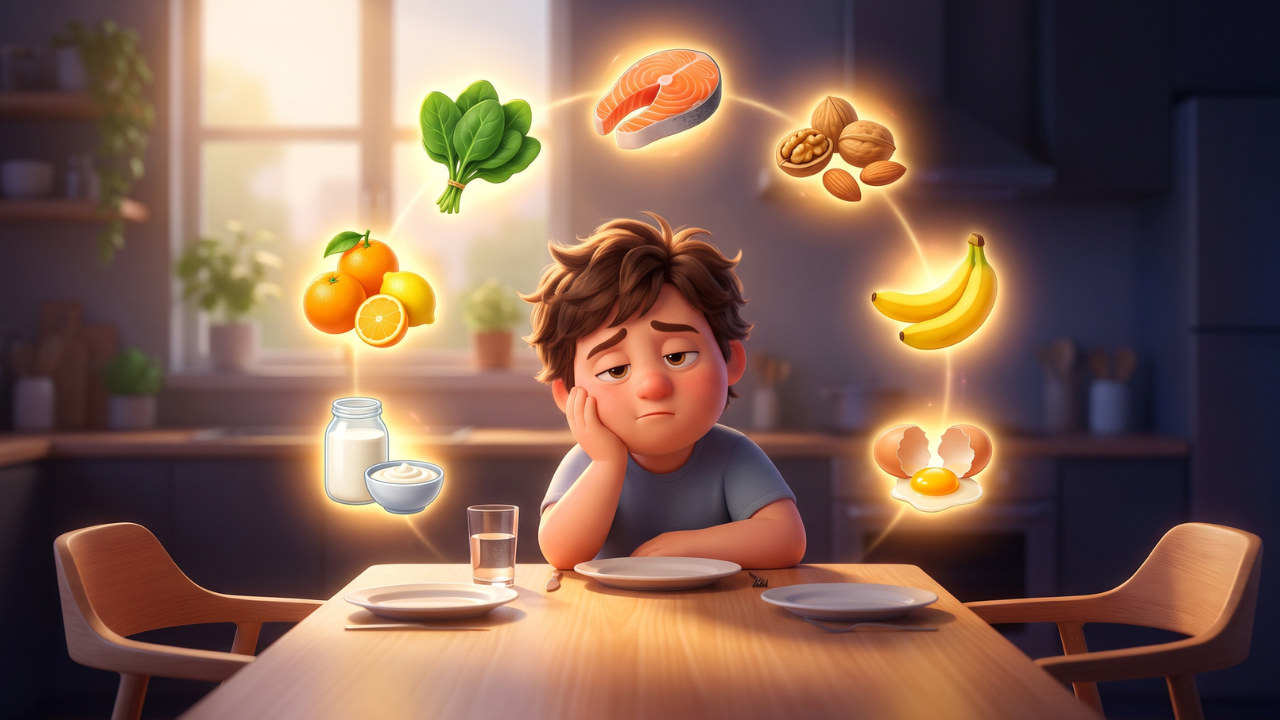
Very few foods naturally contain Vitamin D in meaningful amounts. Unlike most other vitamins, Vitamin D is not found in a wide range of everyday foods. Unless fatty fish is a regular part of your diet, food alone tends to fall short for most people.
Signs That Might Point to Low Vitamin D

None of these signs confirm a deficiency on their own. A blood test is the only way to know for sure. But these are the ones most commonly associated with low Vitamin D in the research:
Feeling tired even when you’ve slept enough. This is the most frequently reported symptom. Vitamin D plays a role in how cells produce energy, so when levels are low, fatigue that doesn’t respond to rest is a common result.
Low mood, particularly in the darker months. There is a well-documented association between low Vitamin D and depression, though researchers are still working out exactly how they are connected. What’s consistent across studies is that people with lower Vitamin D levels tend to report lower mood, and this pattern often intensifies in winter.
Bone or muscle aches with no clear cause. Vitamin D helps your body absorb and use calcium. When it’s low, calcium balance in the body can be affected, which sometimes shows up as a dull ache in the bones, lower back, or legs. This gets mistaken for general soreness or early joint problems fairly often.
Getting sick more frequently than usual. Several studies have looked at the link between Vitamin D and immune function. A review published in the BMJ found that Vitamin D supplementation reduced the risk of acute respiratory infections, with the strongest effect seen in people who were deficient to begin with.
Food Sources Worth Knowing About
The honest reality about Vitamin D from food is that it is genuinely hard to reach adequate levels through diet alone. That said, some foods make a noticeable difference.
Fatty fish is the most significant natural source. Salmon, mackerel, sardines, and tuna all provide meaningful amounts. A 3-ounce serving of salmon can provide around 400 to 600 IU, which is a solid portion of the generally recommended 600 to 800 IU per day for most adults.
Egg yolks contain some Vitamin D, though in smaller amounts per serving. Eggs from hens that spend time outdoors tend to contain more.
Fortified foods are where most people get the majority of their dietary Vitamin D. Milk, some plant-based milks, and certain cereals and juices are commonly fortified. A cup of fortified milk typically provides around 100 IU, which is helpful but not enough on its own for most people.
Mushrooms exposed to sunlight are one of the few plant-based natural sources. Mushrooms can produce Vitamin D when placed in direct sunlight, similarly to how skin does. Setting store-bought mushrooms gill-side up in sunlight for 30 to 60 minutes before cooking can increase their Vitamin D content. Research has confirmed this works, though the exact amount produced varies.

Sunlight: The Most Practical Source
For most people, getting some direct sun on bare skin is the most effective way to support Vitamin D levels. The key is that it needs to be direct sunlight, not sunlight through a window, and on skin that is not covered by sunscreen.
Around 10 to 20 minutes of midday sun exposure on bare arms or legs a few times a week is what many health organizations point to as a reasonable starting point for lighter skin tones. People with darker skin tones may need longer. The optimal window is generally around midday, when the sun is high enough for UVB rays to actually reach the surface.
This does not mean avoiding sunscreen altogether. The idea is a short, intentional window of unprotected exposure before applying sun protection. Anyone with a history of skin conditions or heightened sun sensitivity should discuss this with their doctor before changing their sun habits.
Should You Take a Supplement?
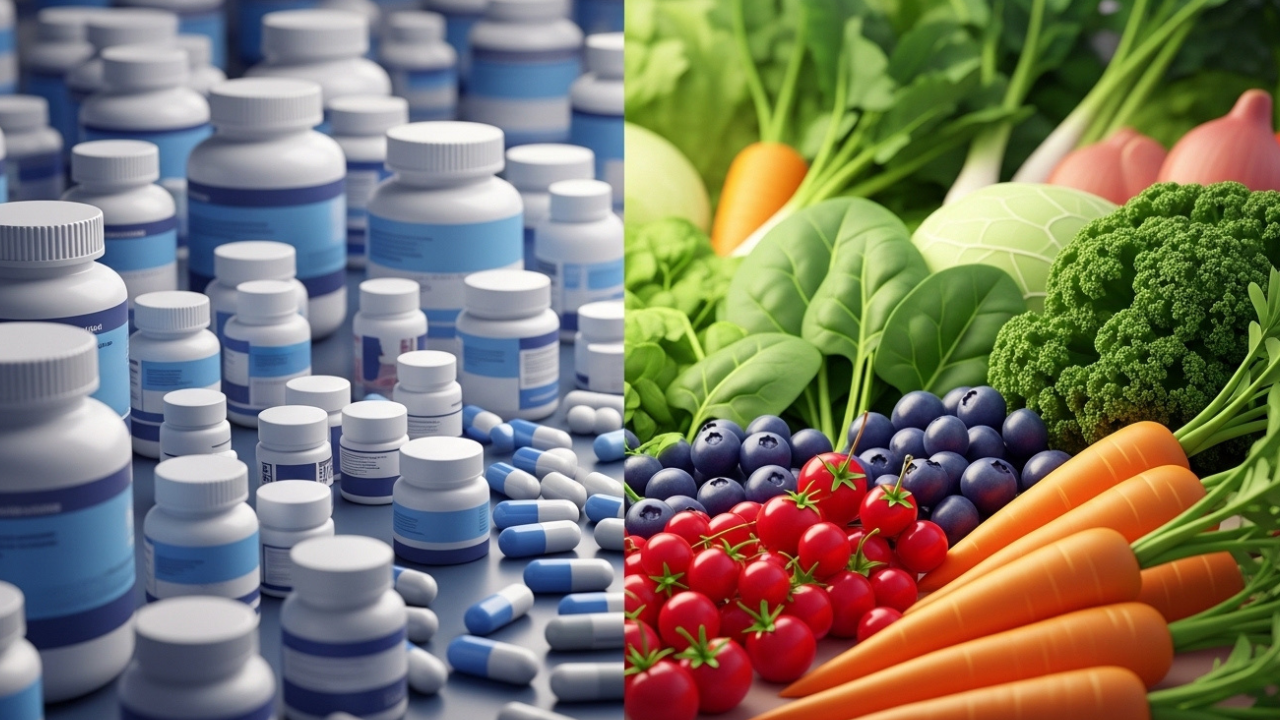
For many people, particularly those who work indoors, live in northern latitudes, have darker skin, or are older, a supplement is often the most practical way to maintain consistent Vitamin D levels.
A few things worth knowing if you’re considering one:
Vitamin D supplements come in two forms: D2 and D3. Research generally shows that D3 is more effective at raising and maintaining blood levels, so D3 is the more commonly recommended option.
For most healthy adults, a daily dose of 1,000 to 2,000 IU is considered a reasonable maintenance range by many health authorities. Higher doses should only be taken based on advice from a doctor, ideally after a blood test.
Because Vitamin D is fat-soluble, it absorbs better when taken with a meal that contains some fat. Taking it with breakfast or dinner rather than on an empty stomach makes a practical difference.
It is worth repeating: a blood test is the best starting point before adding a supplement. Levels that are genuinely low benefit from supplementation. Levels that are already adequate do not need a boost, and very high doses over a long period can cause issues.
Frequently Asked Questions
A blood test measuring 25-hydroxyvitamin D (25-OH Vitamin D) is the standard way to check. It’s a simple test that can be included in routine bloodwork. Ask your doctor about it at your next check-up if you’re unsure.
Yes, though it almost always happens from taking very high supplement doses over a long time, not from food or sunlight. Most people taking a standard daily supplement in the 1,000 to 2,000 IU range are well within safe limits. If you’re unsure, your doctor can check your levels.
It significantly reduces it, yes. High SPF sunscreen blocks most UVB rays, which are the ones responsible for Vitamin D synthesis. A short period of intentional sun exposure before applying sunscreen is one way to balance sun protection with Vitamin D production.
Studies consistently show an association between low Vitamin D and lower mood. Whether correcting a deficiency directly improves mood varies from person to person. It’s not a treatment for clinical depression, but it’s a factor worth looking into if low mood is persistent.
Both go through similar conversion steps in the body. The difference is mostly in how much is produced. Even brief midday sun exposure can produce more Vitamin D than most dietary sources or standard supplements provide. D3 supplements are considered the closest match to what your skin produces naturally.
The Bottom Line
Vitamin D deficiency is one of the most common nutritional gaps around, and it usually shows up quietly. If you’ve been feeling more tired than usual, getting sick often, or dealing with unexplained low mood or muscle aches, it’s worth getting your levels checked. From there, some regular midday sun, a couple of servings of fatty fish each week, and a D3 supplement if your doctor recommends one covers most of what the evidence supports.