
Most people cook pasta the same way every single time. Boil the water, add the pasta, drain, then add the sauce. It works. But it leaves a lot of flavor and texture on the table.
These pasta hacks are not guesswork. Just like the science behind our oven cleaning hacks, the science of pasta explains why a few small adjustments make a surprisingly big difference in the finished result. A better understanding of what is happening in the pot is all it takes.
Here are 5 pasta cooking hacks that are backed by kitchen science, what to do step by step, and why each one makes a difference you can taste.
The Surprising Science of Pasta and Starch
Before we get into each pasta hack, it helps to understand what is actually going on inside your pot. Pasta is made from semolina flour and water. When it hits boiling water, starch granules in the dough absorb liquid, swell, and soften through a process called gelatinization. That same starch also leaches out into the cooking water, which is why pasta water turns cloudy and why it is so useful later.
Every hack in this list connects back to that starch. How you handle it, preserve it, or use it determines the final texture and flavor of your dish.
1. Salt Your Water Like You Mean It
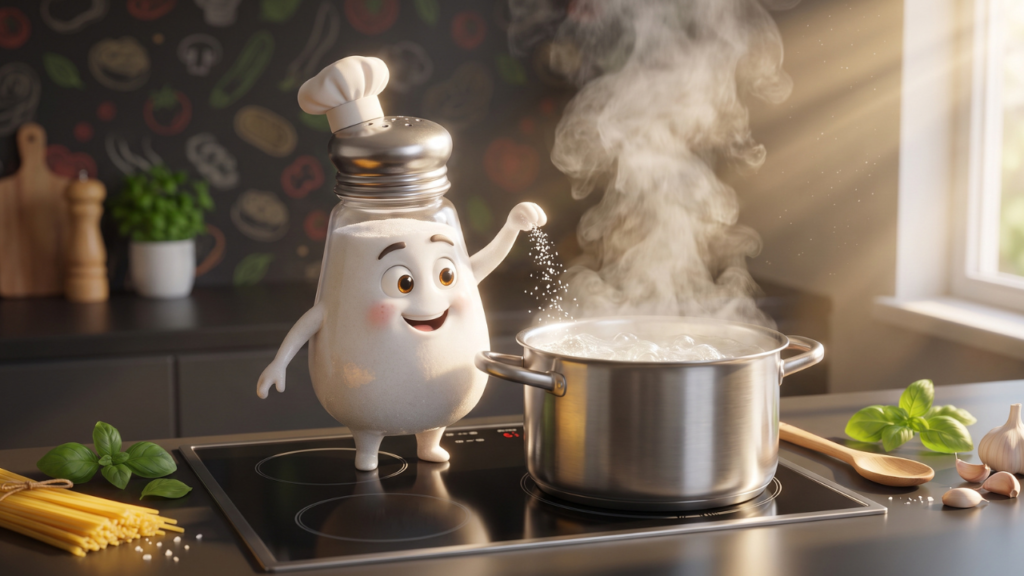
The hack: Bring your water to a boil first, then add a generous amount of coarse sea salt before adding the pasta. Use more than feels comfortable. A large pot of pasta water should taste noticeably salty, similar to mild ocean water. A good starting point is one to two tablespoons of coarse salt per liter of water.
Why it works: Salt does two things when added to pasta water. First, it seasons the pasta from the inside out as it absorbs water during cooking. Sauce added on top can only season the surface. Salt in the cooking water means every layer of the pasta carries flavor before it ever touches the sauce. Second, as food science writer Harold McGee has documented, salt limits starch gelation on the pasta surface, making the pasta less sticky and helping it hold its structure better.
Fine table salt dissolves faster but lacks the mineral complexity of sea salt. Italians traditionally use coarse sea salt because the larger crystals dissolve more slowly and season the water more evenly. Add salt only after the water boils, not before, as salt can interact with stainless steel pots over prolonged exposure and cause small surface marks.
The result: Pasta seasoned from within tastes noticeably fuller than pasta seasoned only by sauce. This single change is the most impactful flavor upgrade available at zero extra cost.
2. Never Rinse Your Pasta After Draining
The hack: The moment your pasta reaches al dente, drain it but do not run it under the tap. Transfer it straight to your sauce. If you are not ready to sauce it immediately, toss it with a tiny drizzle of the sauce itself to coat while you finish cooking, rather than rinsing it with water.
Why it works: Cooking pasta releases starch onto the surface of each noodle. That coating of surface starch is what allows the sauce to grip and cling to the pasta rather than sliding off. Rinsing under cold water washes away the starch entirely, leaving a slick, smooth surface that sauce cannot hold onto. The result is watery pasta, with sauce pooling at the bottom of the bowl rather than coating each strand.
Rinsing is appropriate only in one specific situation: when making a cold pasta salad, where you need to stop the cooking process quickly and do not want the pasta absorbing dressing while still hot. For any warm pasta dish served with sauce, rinsing undoes everything the cooking process built up. And if you are storing leftover pasta, cool it down properly before refrigerating it since improper cooling is one of the most common food safety mistakes at home.
The result: Sauce stays on the pasta rather than collecting at the bottom of the bowl. Every forkful carries both pasta and sauce together, as intended.
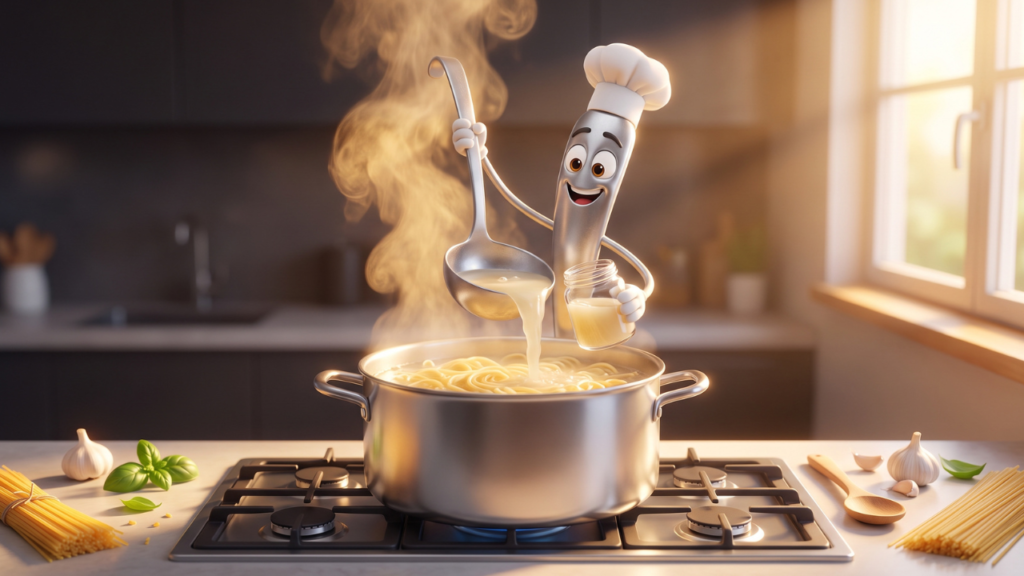
3. Save a Cup of Pasta Water Before You Drain
The hack: About one minute before draining, scoop out at least one full cup of the cooking water and set it aside in a heat-safe glass or mug. Do this before draining because it is easy to forget once the pasta is in the colander. Add this water to your sauce a ladle at a time while tossing the pasta.
Why it works: Pasta water is not just salty water. It is loaded with dissolved starch released during cooking. Starch acts as a natural emulsifier, a substance that helps two liquids that normally separate, like oil and water, combine into a smooth, stable mixture. Research published by BBC Science Focus, drawing on a study by physicists at the Max Planck Institute, confirmed that starch concentration in pasta water is the key stabilizer that creates a creamy, cohesive sauce rather than a greasy, broken one.
When you add a ladle of pasta water to your sauce while tossing the pasta, the starch binds the fat to the water, creating a silky emulsion that coats every strand evenly. This is the technique behind restaurant-quality dishes like cacio e pepe and aglio e olio, where the sauce appears almost creamy without any actual cream.
The result: Sauces become silkier, glossier, and cling to pasta rather than sitting separately. Cheese-based sauces stop clumping. Oil-based sauces stop separating. This is the single most impactful pasta hack for texture.
4. Finish Cooking the Pasta in the Sauce
The hack: Cook your pasta for two to three minutes less than the package directions for al dente. While still slightly undercooked, transfer the pasta directly into the pan with your sauce using tongs or a slotted spoon, bringing a ladle of pasta water with it. Finish cooking the pasta in the sauce over medium heat for the remaining time, tossing continuously and adding pasta water as needed to keep the sauce loose.
Why it works: When pasta finishes cooking in sauce instead of water, two things happen simultaneously. The pasta absorbs some of the sauce’s flavor directly into its structure during those final minutes. At the same time, the starch still releasing from the pasta thickens the sauce naturally, creating the glossy, restaurant-style finish that is almost impossible to achieve by simply pouring sauce over separately drained pasta.
Italian cooks call this technique mantecare, which loosely translates to blending until unified. Extra virgin olive oil is one of the best fats to use as your sauce base here, and it also happens to be among the foods that lower cholesterol naturally, making it a smart everyday cooking choice beyond just pasta.
The result: Pasta and sauce taste integrated rather than assembled. The sauce is richer and glossier, and it clings to every strand. This works with tomato sauces, cream sauces, olive oil-based sauces, and even simple butter and cheese.
5. Use the Passive Cooking Method to Save Energy
The hack: Bring a pot of well-salted water to a rolling boil. Add the pasta and stir immediately to prevent sticking. After exactly two minutes, give it one more stir, put a tight-fitting lid on the pot, and turn off the heat completely. Set a timer for the al dente cooking time listed on the package. When the timer goes off, test a piece and drain as usual.
Why it works: The residual heat trapped inside a covered pot is more than sufficient to finish cooking pasta. Water loses heat very slowly when a lid is in place, and pasta continues to absorb water and cook through starch gelatinization as long as the water stays hot, even without active boiling. Research published by National Geographic found this method significantly reduces energy use during cooking while still producing consistent al dente results.
Physics Nobel laureate Giorgio Parisi brought wider attention to this method, and culinary researchers confirmed the texture holds up well compared to the traditional constant-boil approach. The key is a tight-fitting lid and no peeking, as lifting the lid releases the trapped heat the method relies on.
The result: Perfectly cooked pasta using a fraction of the energy. No boiling over, no stovetop monitoring, and no steam flooding the kitchen. Especially useful in warm weather, when keeping a burner on high heats the whole room.
Frequently Asked Questions
Most of these hacks apply to all dried pasta shapes. The passive cooking method works best with short shapes like penne, rigatoni, and fusilli. Long thin pasta like spaghetti can sometimes stick together with the passive method if not stirred well in the first two minutes, so give it extra attention at the start.
The only reliable way is to taste it. Take a piece out with a wooden spoon, blow on it to cool it slightly, and bite through it. It should be tender throughout but still have a very slight resistance at the very center. The pasta package time is a guide, not a guarantee, since pot size, water volume, and altitude all affect cooking time.
No, and this is one of the most widespread pasta myths. Oil floats on water and has no contact with the pasta while it cooks. Worse, any oil that coats the pasta after draining will prevent the sauce from clinging. The real solution to sticking is adequate water volume, regular stirring in the first two minutes, and saucing the pasta immediately after draining.
This almost always comes down to unsalted or lightly salted cooking water. The interior of pasta absorbs the water it is cooked in. If that water has no salt, the pasta itself tastes flat regardless of how good the sauce is. Salt your water generously and taste it before adding the pasta.
Yes. Fresh pasta cooks in two to three minutes because it is already hydrated from the eggs and water in the dough. The passive cooking method is designed for dried pasta only. The pasta water technique and the sauce-finishing method work equally well for both fresh and dried pasta.
The Bottom Line
Pasta is one of the simplest foods in any kitchen, which is exactly why these small adjustments make such a noticeable difference. Salt your water generously, skip the rinse, save a cup of that starchy water, finish the pasta in the sauce, and try the passive method to save energy. Do all five and the bowl of pasta you make tonight will taste noticeably better than the one you made last week using the same ingredients.