
Home » Berry
MEET Berry
Your Antioxidant Queen
"Free radicals do not stand a chance. Not on my watch."
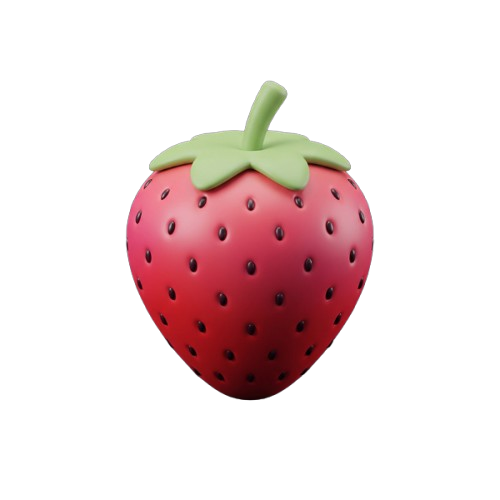
Berry is the strawberry of the Foodie Fun Crew. Sweet, sharp, and loaded with some of the most studied plant compounds in nutrition science. The flavonoids and antioxidants she carries do a lot more than make fruit taste good.
What Antioxidants Do for Your Body
Protects Your Cells From Daily Damage
Every day your body produces unstable molecules called free radicals through digestion, stress, and pollution. Berry’s antioxidants donate electrons to neutralize them before they damage your DNA, skin, and organs from the inside out.
Supports Your Heart
The flavonoids in berries have been shown to reduce LDL cholesterol oxidation, improve blood vessel function, and reduce the tendency for harmful clotting. Studies consistently link regular berry consumption to lower cardiovascular risk.
Helps Keep Your Brain Sharp
Anthocyanins in berries can cross the blood-brain barrier and accumulate in areas linked to memory and learning. A 2024 review found that regular blueberry consumption may support brain health during aging and may help slow cognitive decline.
Slows Down How Fast Your Skin Ages
Oxidative stress is one of the main drivers of premature skin aging. Berry’s antioxidants protect skin cells from UV damage, pollution, and inflammation. Research on strawberry extract found it reduced DNA damage and improved cell survival under oxidative stress.
Where to Find Berry in Your Kitchen
👆 Swipe left to see full table
| Berry / Fruit | Serving Size | ORAC Score | Antioxidant Level |
|---|---|---|---|
| Wild Blueberries | 1 cup | 13,427 | Very High |
| Cultivated Blueberries | 1 cup | 9,019 | Very High |
| Cranberries | 1 cup | 8,983 | Very High |
| Blackberries | 1 cup | 7,701 | High |
| Raspberries | 1 cup | 6,058 | High |
| Strawberries | 1 cup | 5,938 | High |
Source: ORAC Score Data — compiled from USDA Nutrient Laboratory research . ORAC = Oxygen Radical Absorbance Capacity, a measure of antioxidant activity per serving.
💡 Did You Know?
The red, blue, and purple colors in berries are not just decorative. They come from a group of pigment molecules called anthocyanins, and the deeper the color, the higher the antioxidant concentration. This is why wild blueberries, which are much smaller and darker than cultivated ones, score nearly 50% higher on antioxidant tests. When you pick colorful berries, you are literally choosing more protection. 🍓
Science note: Anthocyanins belong to the flavonoid family of polyphenols. They give plants their red, purple, and blue pigmentation and act as powerful antioxidants in the human body by scavenging reactive oxygen species.
What Happens When Berry Goes Missing?
There is no classic deficiency condition for antioxidants the way there is for vitamins, but a consistently low intake of antioxidant-rich foods is linked to higher levels of oxidative stress over time. Research suggests that the cumulative damage from oxidative stress is one of the main contributors to accelerated aging, chronic inflammation, and increased disease risk across the population.
The Science Behind the Sweet
What exactly are antioxidants?
Antioxidants are molecules that can donate an electron to an unstable free radical without becoming unstable themselves. Free radicals are produced naturally during normal metabolism, but also by pollution, UV light, stress, and processed food. When free radicals outnumber the body’s antioxidant defenses, the resulting imbalance is called oxidative stress. Over time, oxidative stress damages DNA, proteins, and the fatty membranes of cells. Antioxidants from food act as reinforcements for the body’s own defense system, stepping in to neutralize free radicals before they cause that damage. The main antioxidant compounds in berries are anthocyanins, ellagic acid, quercetin, kaempferol, and catechin.
What are flavonoids and why do they matter?
Flavonoids are a large family of plant compounds with antioxidant, anti-inflammatory, and cell-protective properties. Strawberries are particularly rich in four of them: anthocyanin, catechin, quercetin, and kaempferol. These are not just antioxidants in the traditional sense. Recent research has shown their biological activity extends into cellular metabolism, meaning they influence how cells respond to stress and how long they survive. Flavonoids have been studied for roles in cardiovascular support, cognitive health, immune function, and cancer prevention, though research is ongoing and most findings are associative rather than conclusive.
Berries and brain health
The brain uses roughly 20% of the body’s total energy and is particularly vulnerable to oxidative damage. Anthocyanins from berries are small enough to cross the blood-brain barrier, the protective layer that controls what enters the brain from the bloodstream. Once inside, they accumulate in areas associated with memory and learning. A 2024 review of blueberry research found evidence that regular consumption may support brain health during aging by reducing oxidative stress and neuroinflammation. Raspberry research from 2024 also found that eating black raspberries reduced oxidative stress markers in cells.
Berries and heart health
Cardiovascular disease involves multiple processes, and Berry has something to say about several of them. The flavonoids in berries help prevent LDL cholesterol from oxidizing, which is the step that makes it dangerous and likely to stick to artery walls. They also support healthier blood vessel function and reduce the tendency for blood to clot inappropriately. A review published in PubMed noted that antioxidants from berry consumption are associated with reduced risk of cardiovascular events. Epidemiological studies have consistently found that people who eat more fruits and vegetables, especially colorful ones, have lower rates of heart disease and related conditions.
Berry's Best Crew Combos
Berry and Lemmy are both antioxidants, but they work in different environments. Vitamin C handles watery zones like blood and cell fluid, while Berry’s flavonoids work in fatty tissues. Together they cover more ground.

Both Berry and Chile fight inflammation through different pathways. Berry’s antioxidants mop up the free radicals that drive inflammation, while Chile’s capsaicin reduces the inflammatory signals themselves.
Berry and Broc make a strong anti-aging pair. Berry’s antioxidants protect cells from oxidative damage while Broc’s fiber feeds the gut bacteria that reduce systemic inflammation over time.
Recipes That Give Broc a Starring Role
Want More Food Science Like This?
Join the Foodie Fun Crew and get nutrition tips, character spotlights, and kitchen science delivered straight to your inbox every week.
Disclaimer: This page is for general educational purposes only and is not a substitute for professional medical advice, diagnosis, or treatment. If you have questions about your diet or health, please talk to a qualified healthcare provider.
SOURCES: PubMed · Potential Impact of Strawberries on Human Health · Journal of Agricultural and Food Chemistry · Strawberry and Human Health · NCBI · Strawberry Extract and Skin Cell Protection · NCBI · Anticancer Potential of Flavonoids · Healthline · The 8 Healthiest Berries (updated 2024) · Healthline · Oxidative Stress: Definition and Prevention