
Home » Lemmy
MEET LEMMY
YOUR VITAMIN C KING
"I keep your body from falling apart. You're welcome."
Lemmy is the zesty lemon of the Foodie Fun Crew, and he is here when your immune system needs backup. Sharp, dependable, and full of vitamin C, he is about to walk you through one of the most important nutrients your body relies on every single day.

What Vitamin C Does for Your Body
Builds Your Collagen
Collagen is basically the glue holding your skin, joints, and blood vessels together. Your body cannot make it without vitamin C, so skipping your daily dose means things start to loosen up in ways you really do not want.
Power Your Immune System
Vitamin C fuels the white blood cells your body sends out when something is trying to make you sick. Research suggests it may help shorten how long a cold lasts, even if it cannot prevent one from starting in the first place.
I Guard Your Cells
Every day, your body faces what scientists call free radicals, which are unstable molecules that slowly wear down your cells. Vitamin C neutralizes them before they do much damage, acting like a daily shield for your DNA, skin, and organs.
I Help You Absorb Iron
Eating spinach, lentils, or beans? Vitamin C is the friend you want at that meal. Pairing plant-based iron with a vitamin C source can make a real difference in how much iron your body actually takes in.
Top Vitamin C Food Sources
👆 Swipe left to see full table
| Food | Serving Size | Vitamin C | % Daily Value |
|---|---|---|---|
| Red Bell Pepper | 1 medium | 152 mg | 169% |
| Guava | 1 fruit (55g) | 125 mg | 139% |
| Strawberries | 1 cup | 85 mg | 94% |
| Broccoli (raw) | 1 cup chopped | 81 mg | 90% |
| Orange | 1 medium | 70-90 mg | ~89% |
| Kiwi | 1 medium (75g) | 56 mg | 62% |
Source: USDA FoodData Central . Daily Value based on 90mg for adults per FDA guidelines.
💡 Did You Know?
Here is something most people never learn in school. Humans are one of the only animals on the planet that cannot produce their own vitamin C. Your dog makes it. Your cat makes it. A goat produces it all day long inside its own body. We lost that ability millions of years ago, so we have to eat it every single day. That is exactly why I showed up.
Science note: Humans lack the gene for an enzyme called L-gulonolactone oxidase, which is the last step in the pathway for making vitamin C from scratch.
What Happens When Lemmy Goes Missing?
Long-term vitamin C deficiency can eventually cause a condition called scurvy, which sailors in the 1600s experienced after months at sea with no fresh produce. It sounds old-fashioned, but the body has not changed. A few servings of vitamin C-rich food each day is genuinely all it takes to keep things running well.
The Science Behind the Zest
What exactly is vitamin C?
Vitamin C goes by another name in nutrition science: ascorbic acid. It is a water-soluble vitamin, which means your body does not hold on to it for very long. Whatever you do not use gets flushed out, so you need a fresh supply from food every day. A Hungarian biochemist named Albert Szent-Gyorgyi first isolated it in 1932 and won the Nobel Prize for the discovery. What makes vitamin C unusual is that almost every other animal on Earth can make it inside their own bodies. Humans cannot, which puts it in a small category of nutrients we absolutely have to get from what we eat.
How does it work once it is inside your body?
Vitamin C works as what scientists call a cofactor, which basically means it is a helper that other processes in the body cannot function without. It assists at least 60 different enzymes. Its biggest job is helping your body build collagen. Two specific enzymes need vitamin C to cross-link collagen fibers into a tight, stable structure. Take the vitamin C away, and those fibers start to fall apart. That is why the classic signs of deficiency show up in the places where collagen matters most: gums, skin, joints, and blood vessels.
What does it actually do for your immune system?
Vitamin C helps your immune system in a couple of practical ways. It encourages your body to produce more white blood cells, which are the cells that find and fight infections. It also protects those white blood cells from a kind of internal damage they create while doing their job. Studies suggest that getting enough vitamin C on a regular basis may shorten how long a cold lasts by about 8% in adults and 14% in kids. That is not a cure, but when you are dealing with a cold, a shorter one is a better one.
What does "antioxidant" actually mean?
You have probably seen the term antioxidant on a food label without a clear explanation. Here is what it means in plain terms. In daily life, your body produces unstable molecules called free radicals through processes like digestion, stress, sunlight, and pollution. These molecules bounce around looking for something to grab onto, and in doing so they slowly damage your cells over time. An antioxidant like vitamin C steps in and donates a piece of itself to stabilize them before they cause that damage. Vitamin C is the main antioxidant working in the watery, fluid parts of your body, like your blood and the fluid inside your cells.
Lemmy Works Best With These THREE

Vitamin C helps the body absorb iron, and iron is something Chile’s metabolism depends on to keep energy burning properly. Think of it as a citrus and spice partnership that your body actually appreciates.

Broccoli is one of the better plant-based sources of vitamin C, so Broc and Lemmy already have a lot in common. Together they cover immune health, fiber, and a solid chunk of your daily greens.

Lemmy and Berry are both antioxidants, but they work in different environments inside the body. Vitamin C handles the watery zones while Berry’s flavonoids get to work in the fatty tissues. Together they cover more ground.
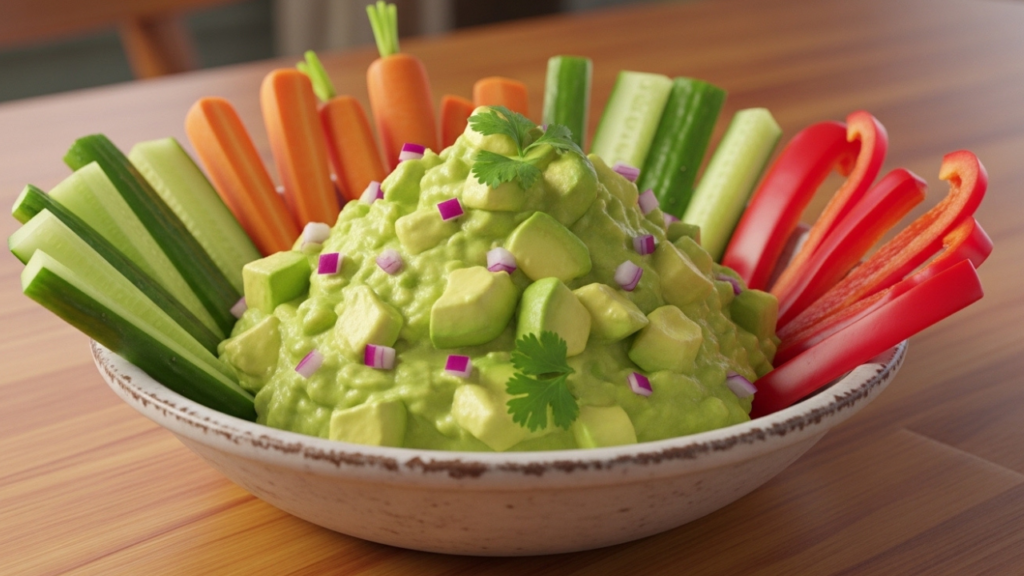
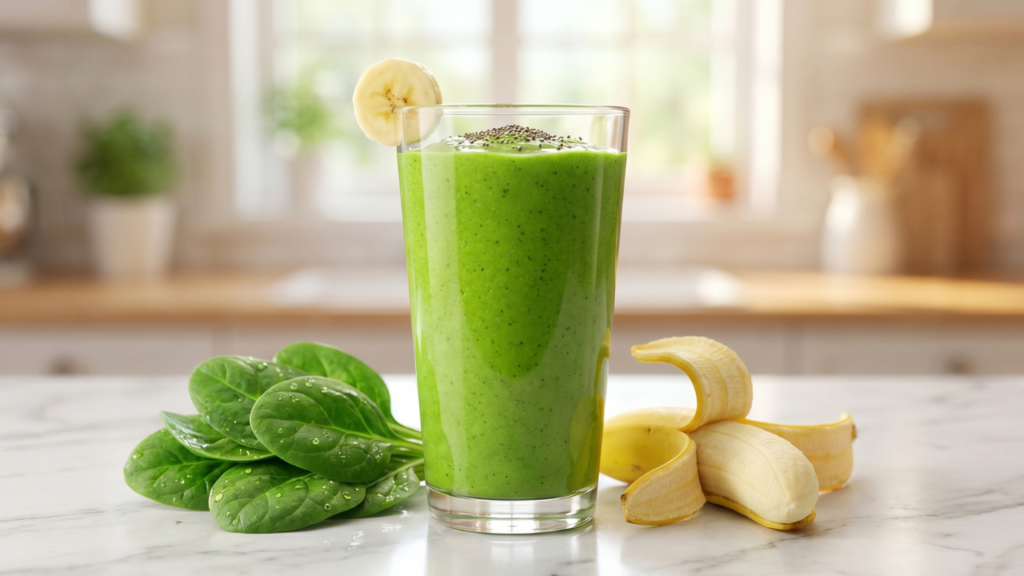
Recipes Packed With Vitamin C

Want More Food Science Like This?
Join the Foodie Fun Crew and get nutrition tips, character spotlights, and kitchen science delivered straight to your inbox every week.
Disclaimer: This page is for general educational purposes only and is not a substitute for professional medical advice, diagnosis, or treatment. If you have questions about your diet or health, please talk to a qualified healthcare provider.