
Home » Broc
MEET Broc
Your Fiber Champion
"I am the reason things keep moving. You know what I mean."
Broc is the broccoli of the Foodie Fun Crew. Steady, reliable, and the most underrated member of the group. Fiber does not get the headlines that vitamins and antioxidants do, but research suggests it may be one of the most important things you eat every single day.

What Fiber Does for Your Body
Keeps Your Digestion Running Smoothly
Fiber adds bulk to what moves through your gut and helps things along at a healthy pace. Insoluble fiber acts like a broom sweeping through your digestive tract, while soluble fiber draws in water to keep things soft and moving.
Helps Steady Your Blood Sugar
When you eat fiber alongside carbohydrates, it slows down how fast sugar enters your bloodstream. That means fewer energy crashes, fewer cravings, and a more even feeling throughout the day. Research suggests this may reduce the risk of type 2 diabetes over time.
Feeds Your Good Gut Bacteria
Soluble fiber is the favourite food of the beneficial bacteria living in your gut. When those bacteria eat fiber, they produce compounds that support your immune system, reduce inflammation, and help keep your gut lining healthy.
Supports Your Heart
Soluble fiber binds to cholesterol in your digestive system and helps carry it out of the body before it can be absorbed. Studies consistently link higher fiber intake to lower LDL cholesterol and a reduced risk of cardiovascular disease.
Where to Find Broc in Your Kitchen
👆 Swipe left to see full table
| Food | Serving Size | Fiber | % Daily Value |
|---|---|---|---|
| Green Peas (cooked) | 1 cup | 9.0 g | 32% |
| Brussels Sprouts (cooked) | 1 cup | 6.4 g | 23% |
| Sweet Potato (with skin) | 1 medium | 5.9 g | 21% |
| Avocado | half fruit | 5.0 g | 18% |
| Broccoli (cooked) | 1 cup | 5.1 g | 18% |
| Carrot (raw) | 1 cup chopped | 3.6 g | 13% |
Source: USDA FoodData Central . Daily Value based on 28g fiber per day per FDA guidelines.
💡 Did You Know?
Here is a number worth knowing. More than 90% of women and 97% of men in the United States do not meet their recommended daily fiber intake. The target is 25 grams for women and 38 grams for men, but the average person gets around 15 grams a day. Fiber is officially classified as a nutrient of public health concern by the US government, putting it in the same category as vitamin D and potassium. It is that important and that underconsumed. 🥦
Science note: Fiber is considered a nutrient of public health concern by the Dietary Guidelines for Americans because underconsumption is linked to measurable adverse health outcomes across the population.
What Happens When Broc Goes Missing?
Most adults are eating about half the fiber their body needs every day. The signs tend to be easy to dismiss as stress, poor sleep, or just a bad day. But research suggests that simply increasing fiber intake can make a meaningful difference to how your digestion, blood sugar, and energy levels feel on a daily basis.
The Science Behind the CRUNCH
What exactly is dietary fiber?
Dietary fiber is a type of carbohydrate that your body cannot fully digest. Unlike sugars and starches, it passes through your stomach and small intestine largely intact and reaches your large intestine where it does most of its work. There are two main types. Soluble fiber dissolves in water and forms a gel-like substance in your gut, which slows digestion and helps manage blood sugar and cholesterol. Insoluble fiber does not dissolve and moves through your system largely unchanged, adding bulk and keeping things moving. Most plant foods contain both types in different ratios, which is why eating a variety of vegetables, fruits, and whole grains gives you the broadest range of benefits.
How does fiber feed your gut bacteria?
Your gut is home to trillions of bacteria that play a role in your immune system, your mood, and your metabolism. Most live in your large intestine, where they feed on what your body cannot digest. Soluble fiber is their preferred food source. When gut bacteria ferment fiber, they produce compounds called short-chain fatty acids, including butyrate, propionate, and acetate. Butyrate is the main energy source for the cells lining your colon, and research suggests it helps reduce inflammation and may help protect against colorectal cancer. A 2024 study found that even short-term fiber interventions produce consistent, positive changes in gut bacteria across different populations.
Fiber and blood sugar control
When you eat carbohydrates without fiber, sugar enters your bloodstream quickly, causing a rapid spike followed by a crash. Fiber slows that process down by forming a physical barrier in your digestive tract that reduces how fast glucose is absorbed. Soluble fiber is particularly effective at blunting these spikes. Over time, consistently eating enough fiber has been linked to improved insulin sensitivity and a lower risk of developing type 2 diabetes. A large review published in 2024 covering over 17 million individuals found significant associations between higher fiber intake and reduced risk of diabetes and cardiovascular disease.
Fiber and heart health
One of the clearest findings in nutrition science is that higher fiber intake is consistently linked to better cardiovascular health. The main mechanism is cholesterol management. Soluble fiber binds to bile acids in your digestive tract. Bile acids are made from cholesterol, and when fiber carries them out of the body instead of letting them be reabsorbed, your liver has to pull more cholesterol from the blood to make new ones. This gradually lowers LDL cholesterol levels. Fiber also helps reduce inflammation through its effects on gut bacteria and the short-chain fatty acids they produce, and chronic inflammation is a major driver of heart disease.
Chile Works Best With These Three

Broccoli is one of the better plant-based sources of vitamin C, so Broc and Lemmy already have a natural connection. Together they cover fiber, immune health, and collagen support.

Broc and Onion are both gut health allies, just working through different pathways. Broc feeds the good bacteria with fiber while Onion brings prebiotic compounds that help those same bacteria thrive. Together they are a serious gut health team.

Both Broc and Berry help fight inflammation. Fiber’s effect on gut bacteria adds another layer of anti-inflammatory support to what Berry’s antioxidants already do.
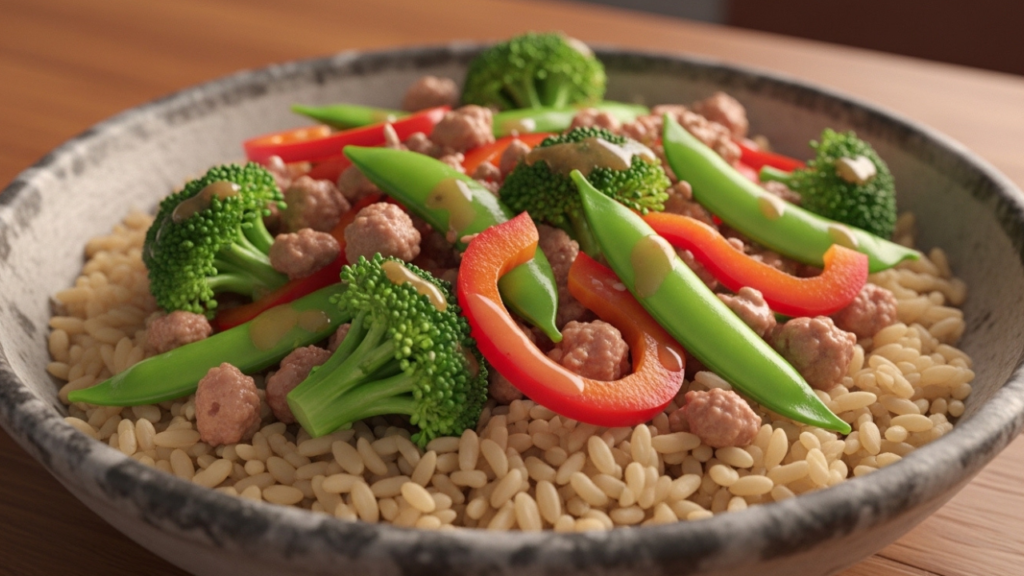
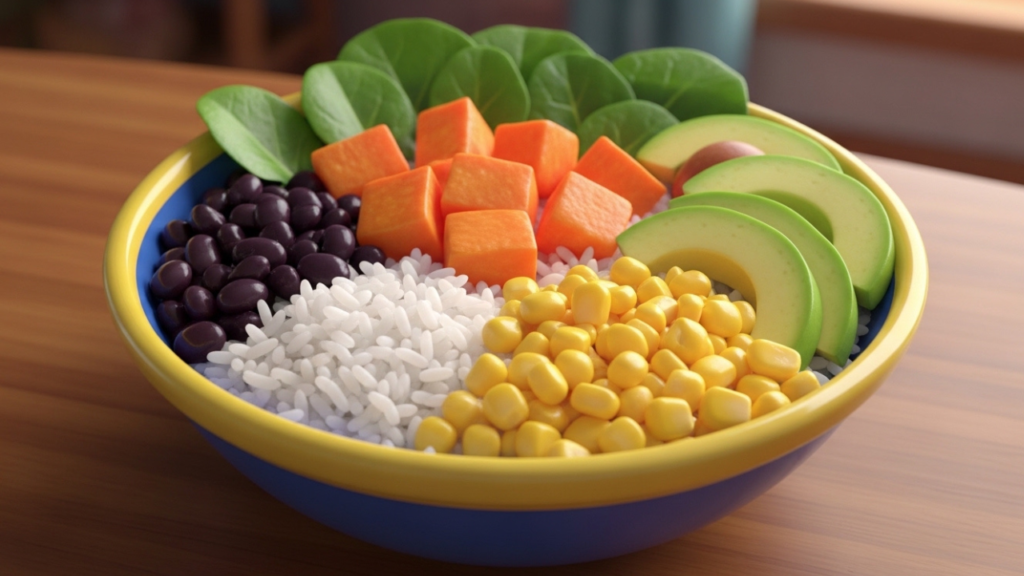
Recipes That Give Broc a Starring Role

Want More Food Science Like This?
Join the Foodie Fun Crew and get nutrition tips, character spotlights, and kitchen science delivered straight to your inbox every week.
Disclaimer: This page is for general educational purposes only and is not a substitute for professional medical advice, diagnosis, or treatment. If you have questions about your diet or health, please talk to a qualified healthcare provider.