
Home » Onion
MEET Onion
Your Gut Health Guard
"The tears are worth it. Trust me on this one."
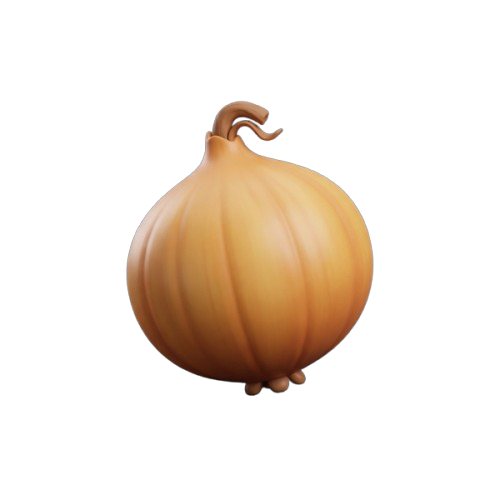
Onion is the gut health guard of the Foodie Fun Crew. Quiet, layered, and working behind the scenes in ways most people never notice. The prebiotic compounds inside an onion are some of the most studied natural gut-health tools in nutrition science.
What Prebiotics Do for Your Body
Feeds Your Good Gut Bacteria
Onions are rich in inulin and fructooligosaccharides, two types of prebiotic fiber that your digestive system cannot break down. They travel intact to your colon where beneficial bacteria like Bifidobacteria and Lactobacilli use them as fuel to grow and multiply.
Strengthens Your Immune System
Around 70% of your immune system lives in your gut. When your gut bacteria are well-fed and diverse, they help regulate immune responses and reduce the risk of overreacting to threats. Research suggests regular prebiotic intake may support a calmer, more balanced immune system overall.
Reduces Low-Grade Inflammation
When gut bacteria ferment prebiotic fiber, they produce short-chain fatty acids that help regulate inflammation throughout the body. Onions also contain quercetin, a flavonoid that research suggests may inhibit the growth of harmful bacteria and help cool inflammatory processes.
Supports Heart and Blood Health
The quercetin in onions has been linked to lower blood pressure and reduced LDL cholesterol oxidation in multiple studies. Onions also contain sulfur compounds that may help reduce the tendency for blood to clot inappropriately, supporting healthier cardiovascular function over time.
Where to Find Onion in Your Kitchen
👆 Swipe left to see full table
| Food | Serving Size | Prebiotic Fiber | Prebiotic Strength |
|---|---|---|---|
| Chicory Root | 1 tbsp (raw) | 4-6 g inulin | Very High |
| Jerusalem Artichoke | 1 medium (128g) | ~2 g inulin | Very High |
| Garlic | 3 cloves (raw) | 1.5-2 g FOS | High |
| Leek | 1 medium stalk | 1.6 g inulin | High |
| Onion (raw) | 1 medium (70g) | 1.7 g FOS + inulin | High |
| Asparagus | 1 cup (134g) | 1.5 g inulin | Medium-High |
Source: Health Secrets · Best Prebiotic Foods Guide . Cima Science · Foods High in Inulin . Values represent raw food unless otherwise noted.
💡 Did You Know?
Here is something that changes how you think about onions. The reason they make you cry has nothing to do with being dramatic. When you cut an onion, you break open cells that release a sulfur compound called syn-propanethial-S-oxide. It reacts with the moisture in your eyes to form a mild sulfuric acid, which is what triggers the tearing reflex. Your eyes are literally trying to wash away acid. The same sulfur compounds that cause the tears are also responsible for many of onion’s health benefits. 🧅
Science note: The compound responsible is syn-propanethial-S-oxide, produced when the enzyme alliinase reacts with sulfur compounds released from broken onion cells. Chilling onions before cutting slows this reaction and reduces tearing.
What Happens When Onion Goes Missing?
Most people in Western countries consume only 1 to 4 grams of prebiotic fiber daily, far below the recommended 5 to 20 grams. The effects are not dramatic or obvious at first. But over months and years, a low prebiotic diet consistently reduces the diversity of your gut microbiome, and research links lower microbiome diversity to a long list of health conditions from digestive issues to immune dysfunction.
The Science Behind the Layers
What exactly are prebiotics?
Prebiotics are types of fiber and carbohydrates that your body cannot digest but your gut bacteria can. The word comes from “pre” meaning before, as in before probiotics, because prebiotics are what probiotics need to survive and grow. The two main prebiotic compounds in onions are inulin, a long-chain fructose molecule, and fructooligosaccharides, a shorter-chain version. Both pass through your stomach and small intestine completely unchanged, arriving intact in your colon where beneficial bacteria are waiting to ferment them. The bacteria that benefit most are Bifidobacteria and Lactobacilli, two groups consistently linked to better digestive and immune health. A 2024 study published in mSystems confirmed that onion extracts alter gut microbial structure and promote the production of beneficial metabolites including short-chain fatty acids.
What are short-chain fatty acids and why do they matter?
When gut bacteria ferment prebiotic fiber, the byproducts they produce are called short-chain fatty acids, mainly butyrate, propionate, and acetate. These are not waste products. They are functional molecules that do meaningful work throughout the body. Butyrate is the primary energy source for the cells lining your colon and plays a key role in maintaining the integrity of the gut barrier, the physical wall that keeps harmful substances from leaking into your bloodstream. Propionate travels to the liver and helps regulate blood sugar and cholesterol. Acetate circulates through the bloodstream and may help regulate appetite. Together, short-chain fatty acids are one of the most important mechanisms through which gut health affects overall health.
Quercetin in onions and what it does
Beyond the prebiotic fiber, onions contain a potent flavonoid called quercetin. It is one of the most studied plant compounds in nutrition science and onions are among the richest dietary sources of it. Quercetin has antioxidant, anti-inflammatory, and antimicrobial properties. A 2022 review found that quercetin in onion could inhibit the growth of several strains of bacteria including Helicobacter pylori, which is linked to stomach ulcers and certain digestive cancers. Research has also shown that quercetin damaged the cell walls and membranes of harmful bacteria strains like E. coli and Staphylococcus aureus in laboratory settings. On the cardiovascular side, quercetin has been associated with lower blood pressure and reduced LDL cholesterol oxidation in multiple human studies.
The gut-brain connection
One of the most surprising things about gut health is how deeply it connects to brain function. Your gut and brain are in constant communication through what is called the gut-brain axis, a two-way signaling network that runs through the vagus nerve and the enteric nervous system. Gut bacteria produce neurotransmitters including serotonin, dopamine, and GABA, all of which directly influence mood, anxiety, and cognitive function. Research estimates that around 90% of the body’s serotonin is produced in the gut, not the brain. A healthy, diverse gut microbiome supported by prebiotic foods like onion may therefore support mental wellbeing alongside physical health. This is an active and growing area of nutrition research, and while many findings are still emerging, the connection between a well-fed gut and a calmer mind is increasingly supported by evidence.
Onion's Best Crew Combos
Onion and Broc are the ultimate gut health duo. Onion’s prebiotics feed the good bacteria while Broc’s fiber keeps things moving and adds another layer of fuel for the same beneficial microbes.
A well-fed gut microbiome produces compounds that reduce systemic inflammation. Combined with Berry’s antioxidants that fight oxidative stress, Onion and Berry together support a calmer body from the inside out.

Capsaicin has been shown to positively influence gut bacteria composition, and Onion is already laying the groundwork for a healthy gut environment. Together they support digestion from two different angles.
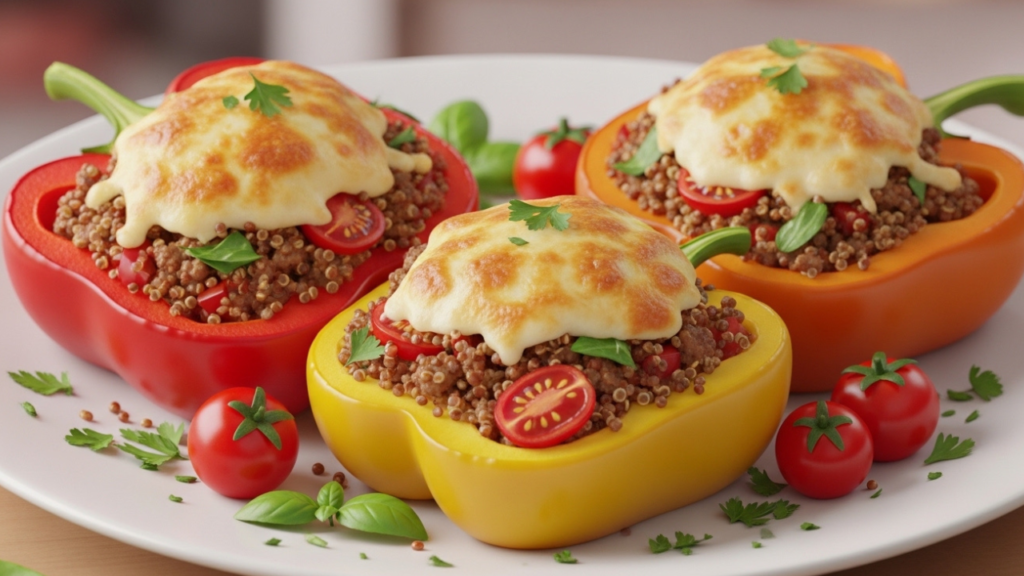
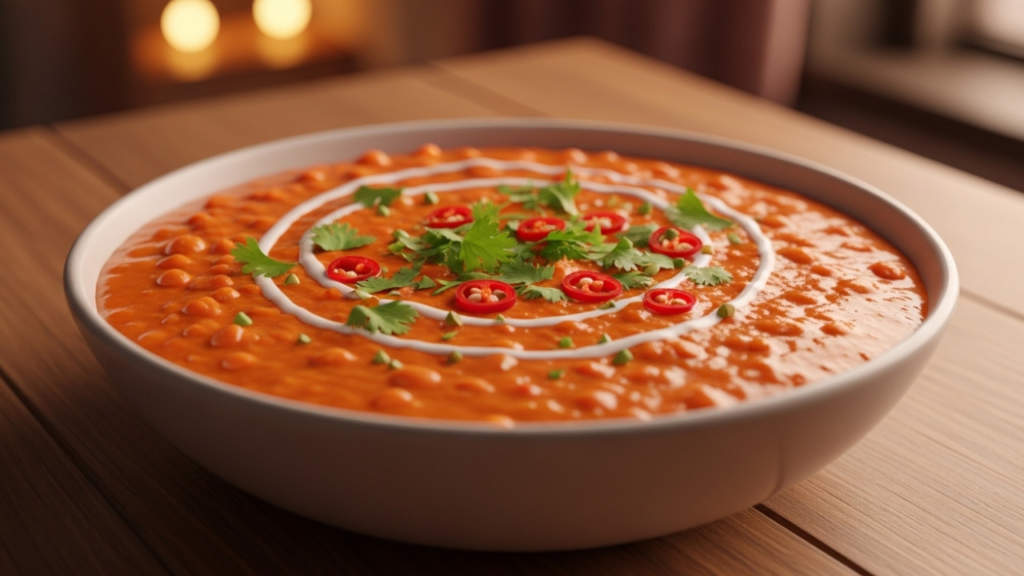
Recipes That Give Onion a Starring Role
Want More Food Science Like This?
Join the Foodie Fun Crew and get nutrition tips, character spotlights, and kitchen science delivered straight to your inbox every week.
Disclaimer: This page is for general educational purposes only and is not a substitute for professional medical advice, diagnosis, or treatment. If you have questions about your diet or health, please talk to a qualified healthcare provider.
SOURCES: mSystems · Prebiotic Potential of Dietary Onion Extracts (2024) · Healthline · Onion Benefits: Nutrients and Antioxidants · Health Secrets · 22 Best Prebiotic Foods Guide · Cima Science · Top Foods High in Inulin · Food Quality and Safety · Inulin as a Multifunctional Prebiotic (2026) · Healthline · 19 Best Prebiotic Foods